
Community Participation Matters
Community Participation Matters
11
Jun
Posted by: Folkland India
Category:
ICCN
No Comments
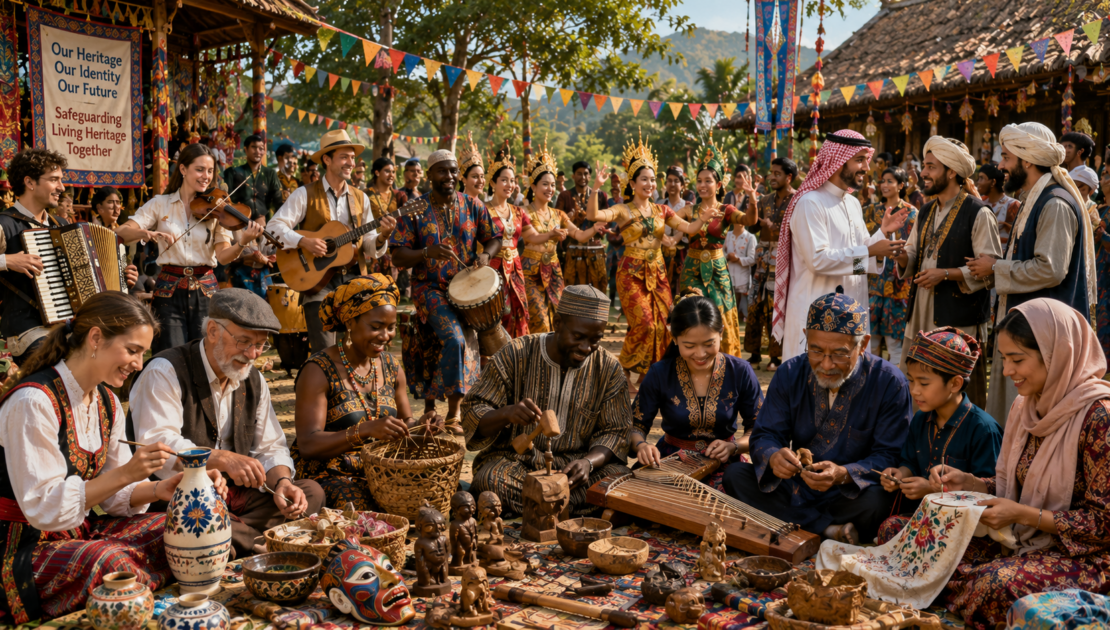
The safeguarding of intangible cultural heritage begins with the communities that practice, preserve, and transmit it. Traditions, rituals, performing arts, craftsmanship, oral histories, and cultural knowledge survive because people continue to value and share them. Without active community participation, living heritage cannot thrive.
The Inter-City Intangible Cultural Cooperation Network (ICCN) recognizes communities as the primary custodians of intangible cultural heritage. Successful safeguarding efforts depend on empowering local people to take an active role in preserving and promoting their traditions.
Communities possess knowledge that cannot be fully captured through books or archives. Elders, artists, artisans, storytellers, musicians, and cultural practitioners carry generations of experience and wisdom. Their participation ensures that cultural traditions remain authentic and meaningful.
Community involvement strengthens cultural identity. When people participate in festivals, rituals, performances, and cultural activities, they develop a stronger connection to their heritage and a deeper sense of belonging. These shared experiences contribute to social cohesion and community pride.
Community-led initiatives are often the most effective form of heritage preservation. Local people understand the cultural significance of their traditions and are best positioned to determine how they should be safeguarded. Heritage documentation, cultural mapping, oral history projects, and educational programs are most successful when communities actively lead the process.
Intergenerational transmission is a key aspect of community participation. Elders and experienced practitioners play an essential role in teaching younger generations. Through storytelling, apprenticeships, workshops, and community events, cultural knowledge is passed on in meaningful and practical ways.
Women often play a significant role in safeguarding intangible cultural heritage. In many communities, they are custodians of traditional crafts, songs, rituals, culinary traditions, and oral histories. Recognizing and supporting their contributions strengthens cultural continuity and community resilience.
Youth participation is equally important. Young people bring creativity, energy, and new perspectives to heritage preservation. Community activities that engage youth help ensure that traditions remain relevant and continue to evolve while retaining their cultural value.
Community participation also contributes to sustainable development. Cultural activities create opportunities for social inclusion, local entrepreneurship, cultural tourism, and creative industries. Heritage-based initiatives can generate economic benefits while strengthening cultural identity.
Technology offers new opportunities for community engagement. Digital archives, community-managed heritage databases, social media campaigns, and online storytelling platforms allow communities to document and share their traditions with wider audiences. These tools can support preservation while maintaining community ownership of cultural knowledge.
Cities have an important role in supporting community-based heritage initiatives. Local governments can provide funding, training opportunities, cultural infrastructure, and platforms for participation. Partnerships between communities, cultural organizations, and municipalities help create sustainable safeguarding strategies.
ICCN encourages cities to place communities at the center of heritage preservation efforts. Through international cooperation and knowledge-sharing, member cities can learn from successful community-led initiatives and strengthen participatory approaches to safeguarding living heritage.
The future of intangible cultural heritage depends on people. When communities are empowered to preserve and celebrate their traditions, heritage remains a vibrant and dynamic part of everyday life. By supporting community participation, we ensure that cultural diversity continues to enrich societies around the world.
Community participation is not simply a strategy for safeguarding heritage—it is the foundation upon which living heritage survives and flourishes.
