
Cultural Exchange Builds Understanding
Cultural Exchange Builds Understanding
11
Jun
Posted by: Folkland India
Category:
Uncategorized
No Comments
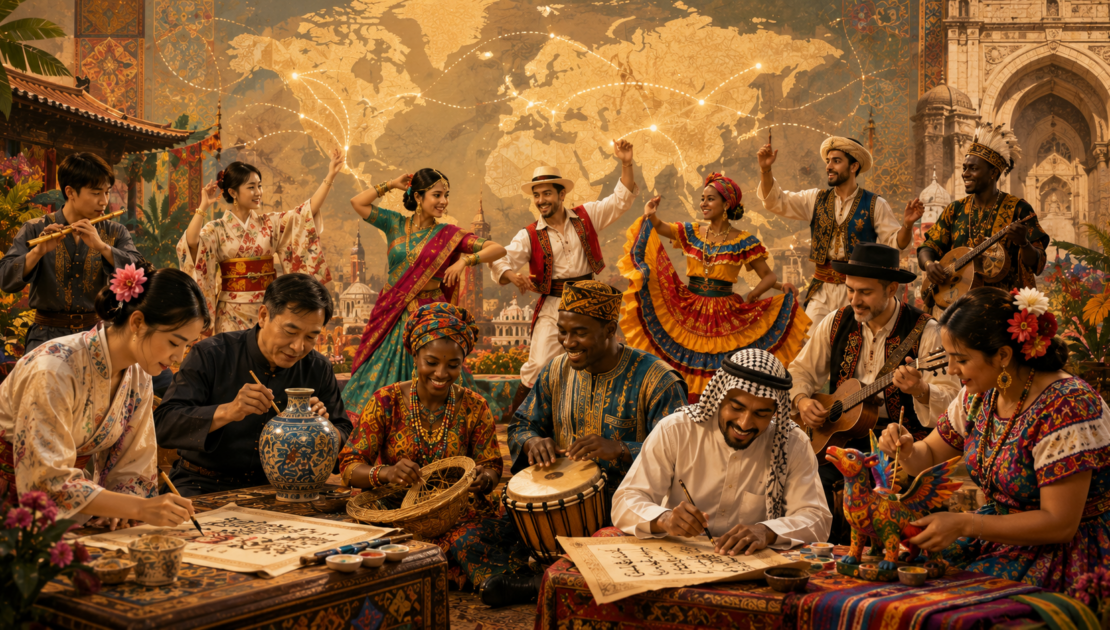
In an increasingly interconnected world, cultural exchange plays a vital role in fostering understanding, respect, and cooperation among people and communities. Through the sharing of traditions, artistic practices, stories, and cultural experiences, individuals gain opportunities to learn from one another and appreciate the diversity that enriches human society.
The Inter-City Intangible Cultural Cooperation Network (ICCN) promotes cultural exchange as a key strategy for safeguarding intangible cultural heritage and strengthening relationships among cities worldwide. By encouraging dialogue and collaboration, ICCN helps communities build meaningful connections across cultural and geographical boundaries.
Cultural exchange allows people to experience traditions beyond their own communities. Whether through music, dance, storytelling, crafts, festivals, or educational programs, these interactions create opportunities to discover different perspectives and values. Such experiences help reduce stereotypes and foster mutual respect.
One of the most significant benefits of cultural exchange is its contribution to peace and social harmony. When people engage directly with different cultures, they often recognize shared values and common aspirations. These connections promote empathy, understanding, and cooperation, helping to bridge cultural differences.
For communities safeguarding intangible cultural heritage, cultural exchange offers opportunities to share knowledge and learn new approaches to preservation. Traditional artists, cultural practitioners, and community leaders can exchange experiences, develop partnerships, and strengthen safeguarding efforts through collaboration.
Cities play a particularly important role in facilitating cultural exchange. As centers of diversity and innovation, they provide spaces where different cultural traditions can interact and flourish. Municipal governments can support exchanges through cultural festivals, artist residencies, educational programs, and international partnerships.
Festivals are among the most effective platforms for cultural exchange. They bring together performers, artisans, scholars, and audiences from diverse backgrounds, creating opportunities for learning and interaction. Through festivals, communities can showcase their heritage while welcoming and appreciating the traditions of others.
Educational institutions also contribute significantly to intercultural understanding. School exchanges, heritage workshops, cultural camps, and collaborative learning programs encourage young people to explore different cultural traditions. Such experiences help build global awareness and prepare youth to thrive in multicultural societies.
Technology has expanded opportunities for cultural exchange beyond physical borders. Virtual festivals, online exhibitions, digital storytelling projects, and social media platforms enable communities to connect and share cultural experiences globally. These tools help increase accessibility and participation while supporting cultural awareness.
Cultural exchange also contributes to sustainable development. By promoting cultural diversity, social inclusion, and creative collaboration, exchange programs strengthen community resilience and support local economies. Cultural tourism, creative industries, and international partnerships often emerge from successful exchange initiatives.
International cooperation is at the heart of ICCN’s mission. Through city-to-city partnerships and cultural networking, ICCN creates opportunities for member cities to learn from one another and work together to safeguard living heritage. These collaborations contribute to stronger cultural ties and a greater appreciation of cultural diversity worldwide.
While cultural exchange offers many benefits, it should always be based on mutual respect and genuine collaboration. Communities should be recognized as equal partners, and cultural traditions should be presented authentically and respectfully. Ethical exchange strengthens trust and promotes long-term relationships.
In a world facing social, environmental, and political challenges, cultural exchange provides a powerful pathway toward understanding and cooperation. It reminds us that cultural diversity is not a source of division but a valuable resource for learning, creativity, and shared progress.
By encouraging cultural exchange and international cooperation, ICCN helps create a future where communities celebrate their differences while recognizing their common humanity. Through dialogue, collaboration, and mutual respect, cultural exchange continues to build bridges that connect people across generations, cities, and cultures.
