
Traditional Arts in the Modern World
Traditional Arts in the Modern World
11
Jun
Posted by: Folkland India
Category:
ICCN
No Comments
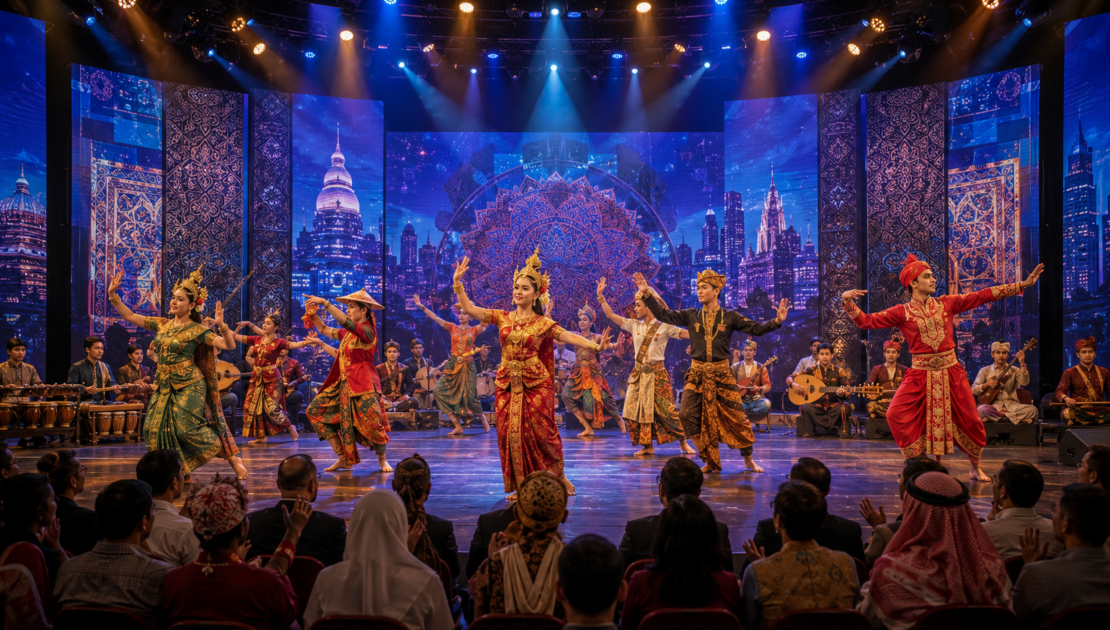
Traditional arts are among the most visible and vibrant expressions of intangible cultural heritage. Music, dance, storytelling, theatre, crafts, and other artistic traditions reflect the creativity, history, and values of communities. Although societies continue to change rapidly, traditional arts remain an important source of cultural identity and inspiration.
For the Inter-City Intangible Cultural Cooperation Network (ICCN), traditional arts are essential components of living heritage that connect communities across generations and cultures. They preserve collective memory while encouraging creativity and innovation in contemporary society.
Traditional arts have long served educational, social, and cultural functions. Through songs, performances, and storytelling, communities transmit knowledge, beliefs, and values. Artistic traditions help preserve languages, historical narratives, and cultural practices that might otherwise be forgotten.
In the modern world, traditional arts face various challenges. Global entertainment industries, changing lifestyles, urbanization, and limited economic opportunities can reduce participation in traditional cultural activities. Many art forms depend on aging practitioners, and younger generations may have fewer opportunities to learn traditional skills.
Despite these challenges, traditional arts continue to adapt and evolve. Artists increasingly combine traditional techniques with contemporary approaches, creating new forms of cultural expression that appeal to modern audiences. Such innovation helps ensure that heritage remains relevant while maintaining its cultural significance.
Supporting traditional artists is essential for safeguarding living heritage. Governments, cultural organizations, and communities can provide training opportunities, financial assistance, performance platforms, and professional development programs. Recognition and support encourage artists to continue their work and inspire future generations.
Festivals and cultural events play an important role in promoting traditional arts. They provide opportunities for performers and artisans to showcase their talents while engaging diverse audiences. Such events strengthen cultural pride and encourage intergenerational transmission of knowledge.
Education is equally important. Schools, universities, and cultural institutions can introduce heritage education programs that expose young people to traditional artistic practices. Workshops, apprenticeships, and mentorship programs help transmit skills directly from experienced practitioners to new learners.
Traditional arts also contribute to sustainable development. Cultural tourism, creative industries, and heritage-based enterprises generate employment opportunities while preserving cultural knowledge. Communities benefit both culturally and economically from investments in traditional arts.
Digital technology offers additional opportunities for promotion and preservation. Online performances, virtual exhibitions, social media platforms, and digital archives allow artists to reach wider audiences and share their work globally. Technology can help increase visibility while supporting documentation and education.
International cultural cooperation further strengthens traditional arts. Through ICCN and similar networks, artists and communities can exchange experiences, participate in collaborative projects, and learn from one another. Such exchanges encourage innovation while promoting mutual respect and cultural understanding.
Traditional arts remain powerful expressions of human creativity and cultural diversity. They connect people to their heritage, inspire contemporary artistic practices, and contribute to community well-being. By supporting artists, investing in education, and creating opportunities for cultural exchange, communities can ensure that traditional arts continue to thrive.
As ICCN member cities work together to safeguard living heritage, traditional arts will remain central to efforts that celebrate diversity, strengthen identity, and promote sustainable cultural development.
