
Festivals as Cultural Bridges
Festivals as Cultural Bridges
11
Jun
Posted by: Folkland India
Category:
ICCN
No Comments
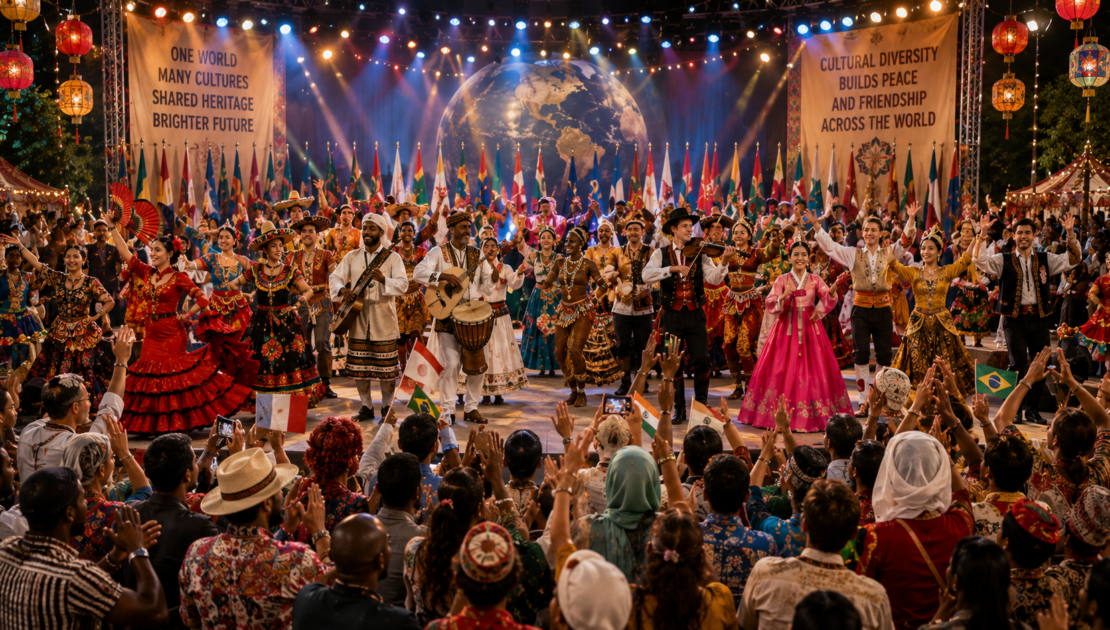
Festivals are among the most vibrant expressions of intangible cultural heritage. They bring together communities, celebrate traditions, and create opportunities for cultural exchange. Through music, dance, storytelling, rituals, crafts, and shared celebrations, festivals strengthen cultural identity while promoting understanding among diverse groups.
The Inter-City Intangible Cultural Cooperation Network (ICCN) recognizes festivals as powerful platforms for safeguarding living heritage and fostering international cooperation. Across the world, cultural festivals help connect people, cities, and communities through shared cultural experiences.
Festivals play an important role in preserving traditions. Many cultural practices are performed, transmitted, and celebrated during annual festivals and community gatherings. These events provide opportunities for artists, artisans, musicians, storytellers, and cultural practitioners to showcase their knowledge and skills.
Beyond preservation, festivals strengthen social cohesion. They bring together people of different ages, backgrounds, and communities, creating spaces for interaction and participation. Through collective celebration, communities develop stronger relationships and a shared sense of identity.
Festivals are also valuable educational platforms. Young people can learn about traditional arts, rituals, customs, and cultural values through direct participation. Workshops, demonstrations, performances, and storytelling sessions help transmit heritage to future generations.
One of the most significant contributions of festivals is their ability to promote intercultural dialogue. International cultural festivals provide opportunities for communities from different regions and countries to share their traditions. Participants gain new perspectives and develop greater appreciation for cultural diversity.
Cities benefit significantly from cultural festivals. Festivals attract visitors, support local businesses, create employment opportunities, and contribute to cultural tourism. They enhance the cultural visibility of cities while strengthening local economies.
For ICCN member cities, festivals serve as important tools for international cultural cooperation. Through city-to-city exchanges, artists and cultural practitioners can participate in events beyond their local communities. These interactions encourage collaboration and knowledge-sharing while building lasting relationships.
Traditional arts often find new audiences through festivals. Music, dance, theatre, crafts, and oral traditions gain visibility and appreciation when presented in dynamic and engaging festival environments. Such exposure encourages broader participation and support.
Technology has expanded the reach of festivals. Live-streamed performances, virtual exhibitions, and digital platforms allow people around the world to experience cultural celebrations. These innovations increase accessibility while promoting awareness of cultural heritage.
Sustainable festival management is increasingly important. Organizers are exploring environmentally responsible practices while ensuring that festivals remain community-centered and culturally authentic. Balancing tradition, innovation, and sustainability is essential for long-term success.
ICCN promotes festivals as bridges between cultures and communities. Through international cooperation, festivals can contribute to peace, mutual respect, and cultural understanding. They demonstrate how cultural diversity enriches societies and strengthens human connections.
In a rapidly changing world, festivals continue to remind us of the importance of community, creativity, and cultural identity. By celebrating heritage and encouraging dialogue, festivals help build more inclusive and culturally vibrant societies.
As cultural bridges, festivals connect the past with the future and local traditions with global audiences. Their enduring value lies in their ability to unite people through shared experiences and mutual appreciation of cultural diversity.
