

“Education as the Safeguard: Cultivating and Transmitting Intangible Cultural Heritage.”
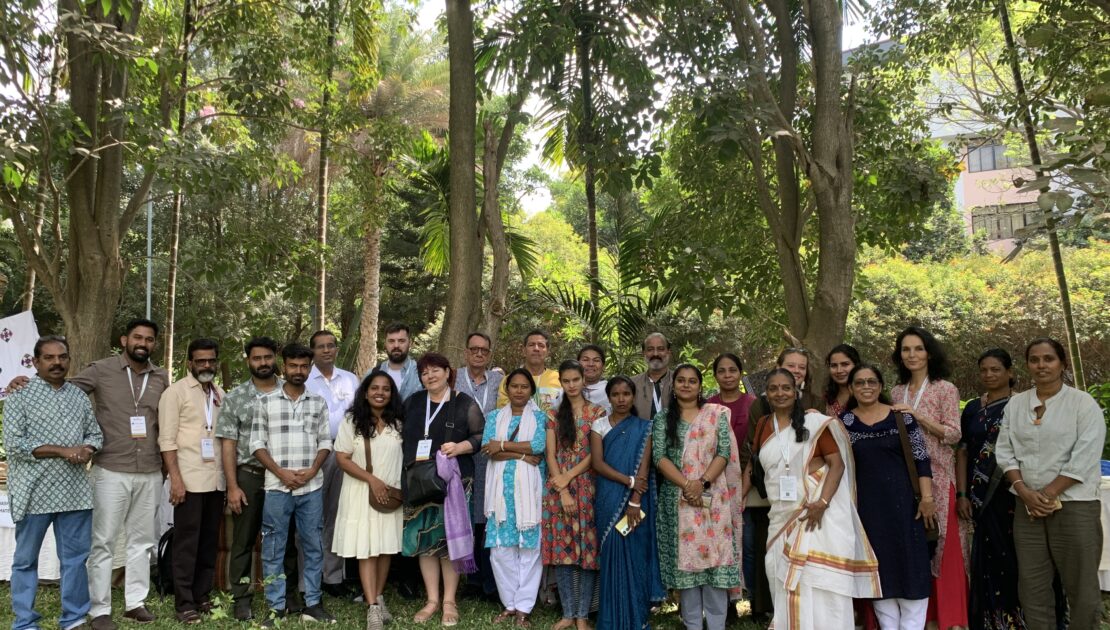
The ICCN Thematic Workshop and International Seminar was successfully conducted at Alliance University, Bangalore, from 19th to 21st February 2026. The program was organized in association with UNESCO, Folkland International Centre for Folklore and Culture, and the UNESCO Chair on Indigenous Cultural Heritage and Sustainable Development under the University of Calicut, with CSR support from Dorf Ketal Chemicals India. The event was also partially organized in collaboration with Culture Masters, Republic of Korea.
The three-day international gathering brought together scholars, artists, cultural practitioners, and policy experts from several countries to deliberate on the theme:
“Education as the Safeguard: Cultivating and Transmitting Intangible Cultural Heritage.”
Sub-Themes of the Workshop
※ The discussions and presentations revolved around the following sub-themes:
※ Role of Education in Preserving and Transmitting Intangible Cultural Heritage
※ Folklore and Local Knowledge in ICH Education
※ Globalization and Intangible Cultural Heritage
※ Tourism and Cultural Heritage
※ Digitization and the Future Prospects of Cultural Education
Inaugural Session
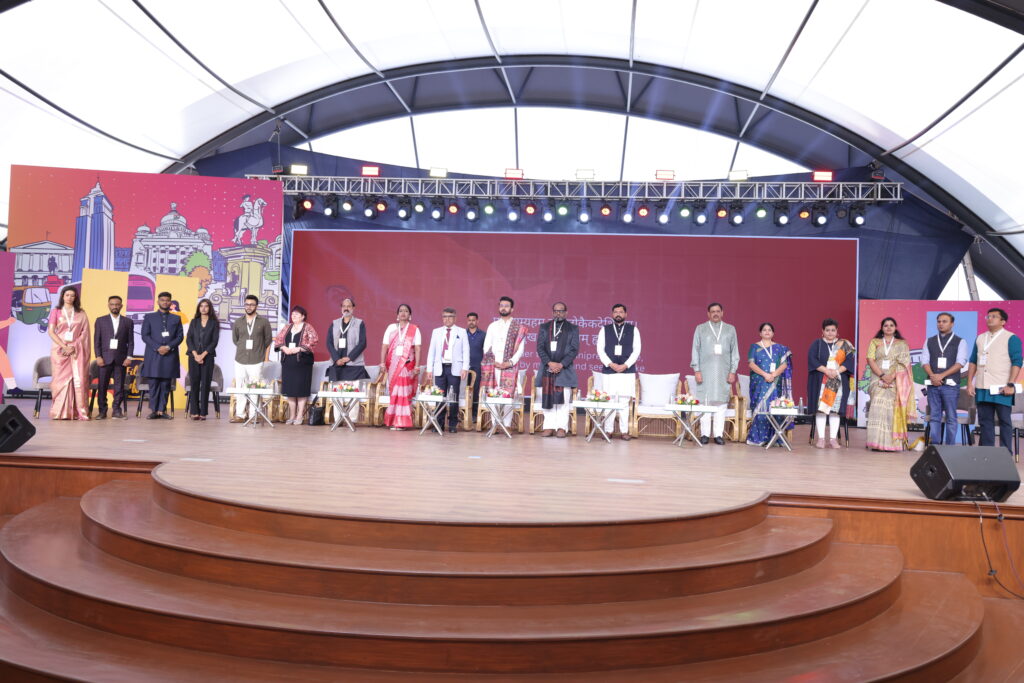
The workshop began following the ceremonial inauguration of the Alliance Literature Festival, which focused on “Naari Shakti (Women Power)”.
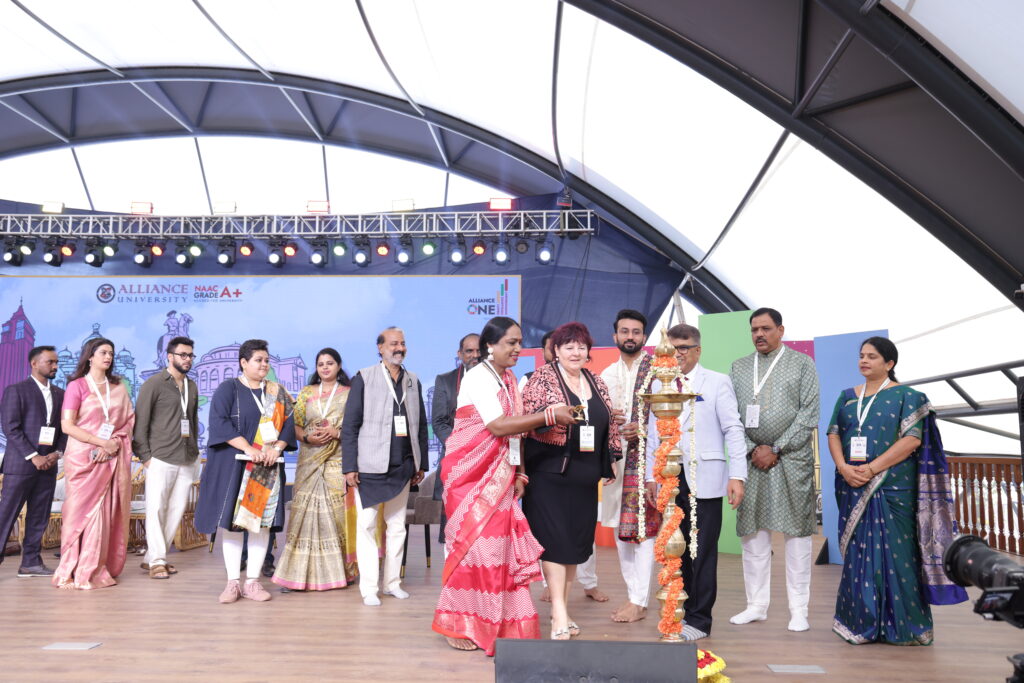
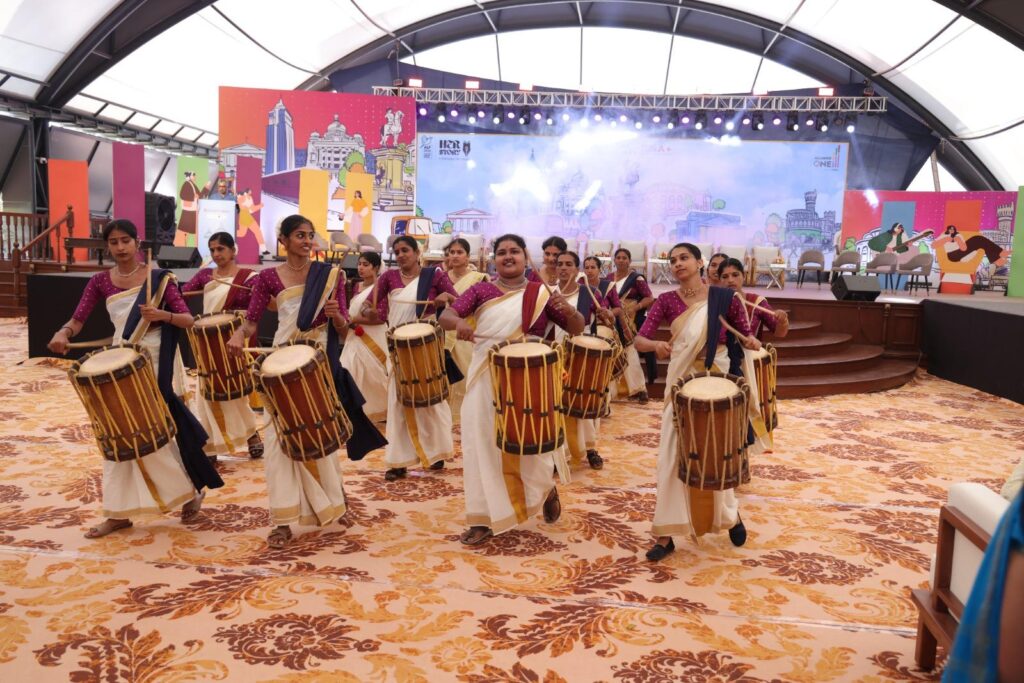
The inaugural ceremony was marked by a powerful cultural presentation by 20 eminent women drummers led by Mrs. Rajitha Rajan. Trained by Folkland International Centre for Folklore and Culture with CSR support from Dorf Ketal, the group performed Shinkarimelam (Dancing Drum). Traditionally, Chenda drumming in Kerala has been male-dominated, but the performance highlighted how this art form has become a strong symbol of women’s empowerment.
The ICCN Thematic Workshop sessions were held at the Performing Arts Department Auditorium of Alliance University. The program began with inspiring introductory remarks by Prof. A. M. Sreedharan, Director of the Department of Indian Knowledge Systems.
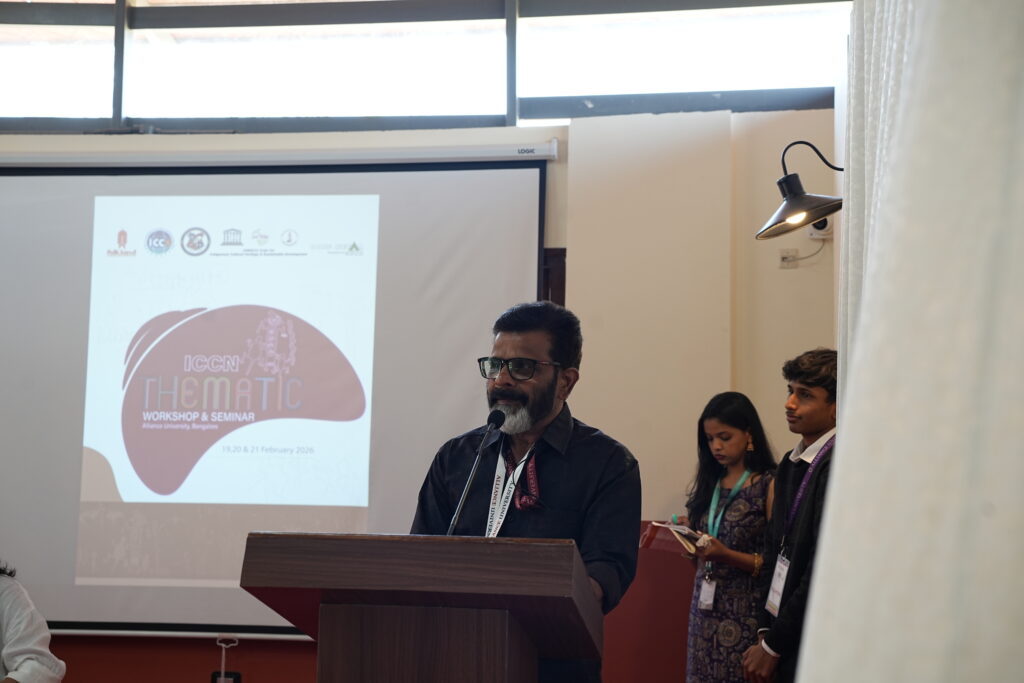
The Opening Declaration of the Workshop and Seminar was made by Dr. Priestly Shan Boaz, Vice Chancellor of Alliance University. In his address, he emphasized the immense value of Intangible Cultural Heritage (ICH) and highlighted how education can become a powerful tool for preserving and promoting cultural traditions.
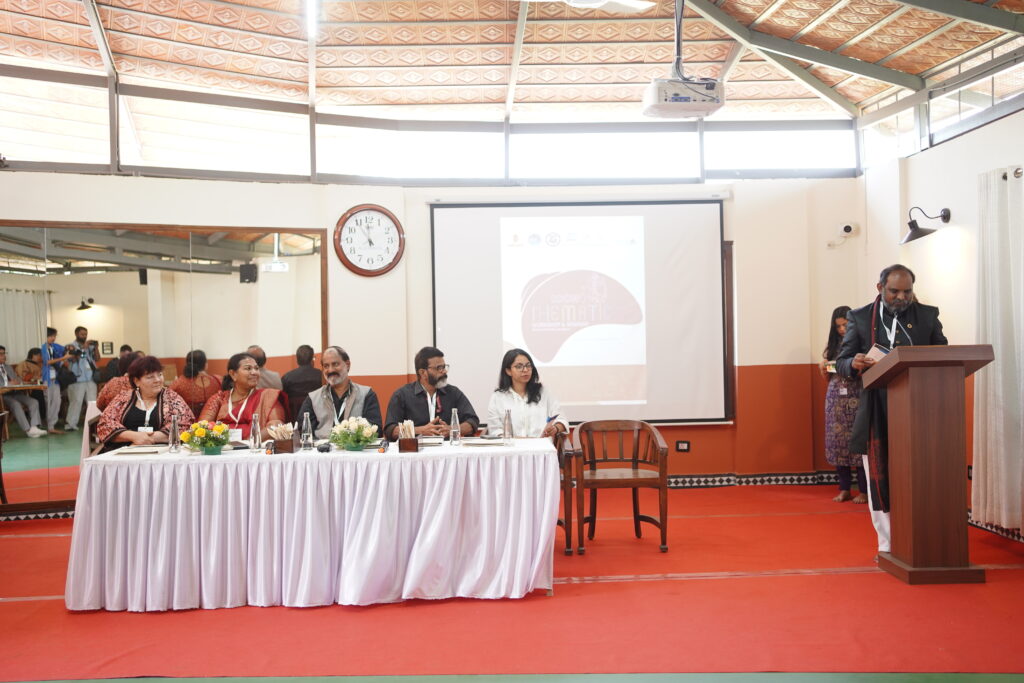
The Presidential Address was delivered by the ICCN Secretary General and Chairman of Folkland International Centre for Folklore and Culture, who presented a brief history of ICCN since its inception in 2006 and underlined the relevance of the workshop theme in safeguarding intangible cultural heritage globally.
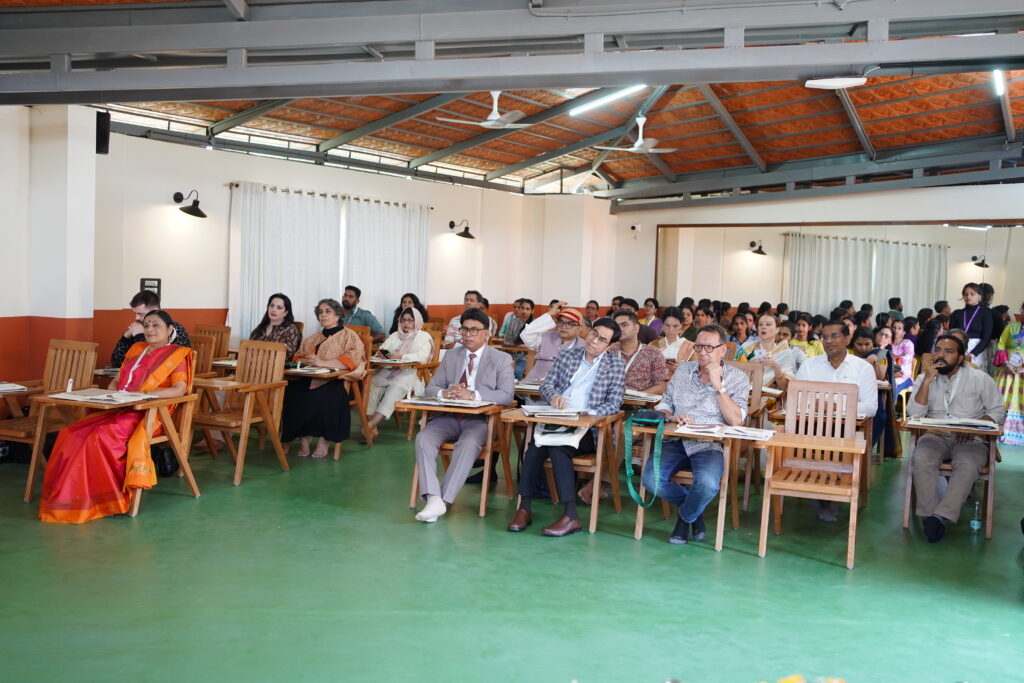
The Keynote Address was delivered by Prof. E. Pushpalatha, UNESCO Chairholder at the University of Calicut. She spoke extensively about indigenous culture and its relevance to the UN Sustainable Development Goals.
Plenary Session
The plenary session followed the opening ceremony.
Dr. Ahemmadu Zirajuddin, Assistant Professor at Sree Narayana Guru Open University, Kollam, delivered the introductory address.
The keynote address was presented by Prof. Saifur Rashid, a renowned scholar and expert on Intangible Cultural Heritage. His talk provided an insightful overview of the five domains of the 2003 UNESCO Convention on the Safeguarding of Intangible Cultural Heritage.
Another keynote presentation was delivered by Prof. Gangadhara M. R., Vice Chancellor of Chamarajanagar University, who spoke on the role of universities in cultural preservation and knowledge dissemination.
Discourse and Demonstration: Mohiniyattam
A remarkable lecture-demonstration on Mohiniyattam was conducted by Prof. Deepthi Omchery Bhalla, former Dean and Head of Indian Music at the University of Delhi.
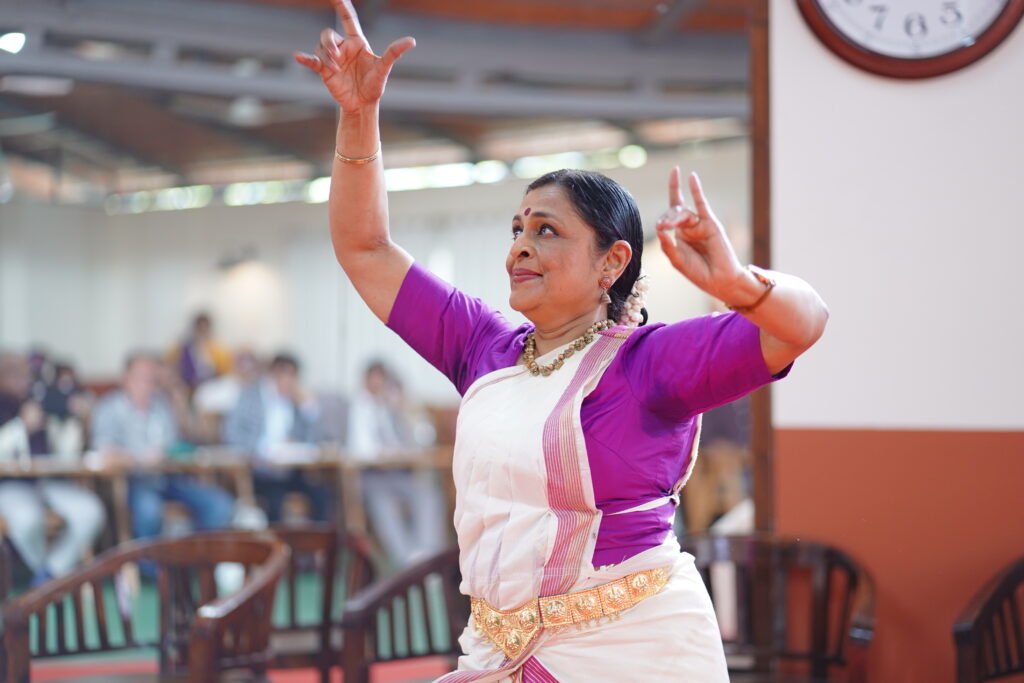
he explored the historical and spiritual significance of Mohiniyattam, tracing its origins to Kerala’s temple traditions and emphasizing its foundation in Lasya, the graceful feminine style of expression.
Through a step-by-step demonstration, she explained the basic adavus (fundamental dance movements), highlighting the distinctive swaying body movements (Atibhanga), rhythmic coordination, and delicate footwork.
Her presentation combined academic insight with artistic elegance, allowing participants to appreciate both the technical framework and philosophical essence of this classical dance tradition.
International Paper Presentations
Scholars from several countries presented their research during the workshop sessions. Presenters included:
Lubomir Tuka (Slovakia)
Alzbeta Tukova (Slovakia)
Mojgan Jahanara (Iran) – Professor, School of Design, Alliance University
Bahareh Jahanara (Iran)
Andrea Knuchel (Switzerland)
The first day concluded with a vote of thanks by Ar. Sigma G. Nath, followed by cultural performances on the main stage of the Alliance Literature Festival.
Cultural Performances
The evening featured captivating performances by national and international artists.
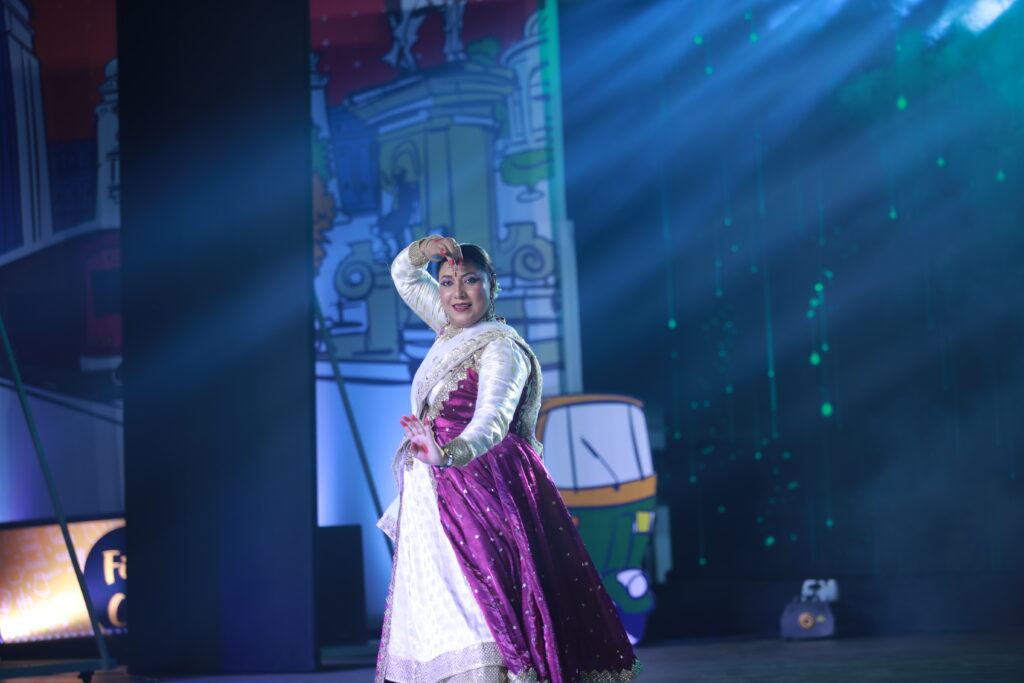
Renowned Kathak exponent, choreographer, and educator Mrs. Punita Sharma, General Secretary of the Raag Viraag Education & Culture Society, performed a vibrant Kathak recital.
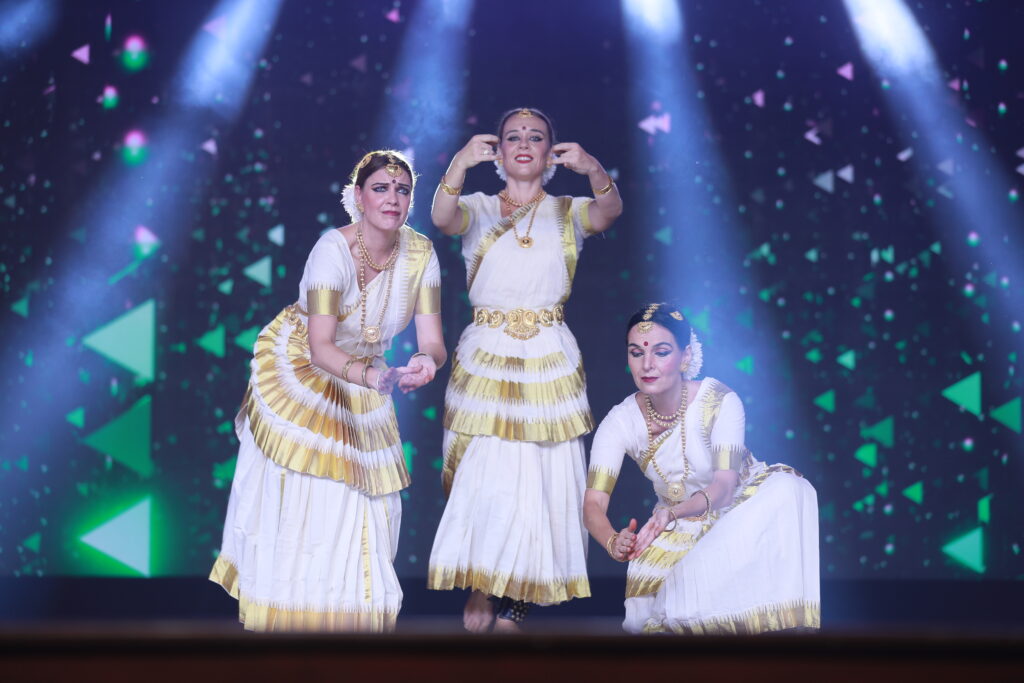
International artists including Ksenia Stepanova (Russia), Asya Khabibulina (Russia), and Brigitta Hegedues (Germany) also presented classical Indian dance performances. They are disciples of Mrs. Shymala Surendran, Principal of Dharani School of Performing Arts, Kochi.
Second Day Sessions – February 20, 2026
The second day featured paper presentations by:
Dr. Ahemmadu Zirajuddin, Assistant Professor, Sree Narayana Guru Open University
Methsiri D. Silva, Mayor of Galle, Sri Lanka
A discourse and demonstration session was conducted by Mrs. Shymala Surendran, a veteran dancer and director of Dharani School of Performing Arts, Kochi. Along with her students Ksenia Stepanova and Asya Khabibulina, she demonstrated various classical Indian dance traditions and interacted with the audience.
This was followed by a vibrant Yakshagana demonstration by Mr. Shivananda Hegde and his son Sreedhar Hegde, representing the fifth and sixth generations of Yakshagana artists.
Later, Esequias Ferreira, a Brazilian musician, and Anil Gandharba from Nepal conducted an engaging musical interaction session with the delegates.
In the evening, cultural performances were held at the Amphitheatre.
Highlights included:
Bharatanatyam performance by Ksenia Stepanova (Russia)
Mohiniyattam performance by Asya Khabibulina (Russia)
Traditional Gandharba folk songs of Nepal by Anil Gandharba
Clarinet performance by Esequias Ferreira, which mesmerized the audience.
Third Day – Interaction with Traditional Artisans
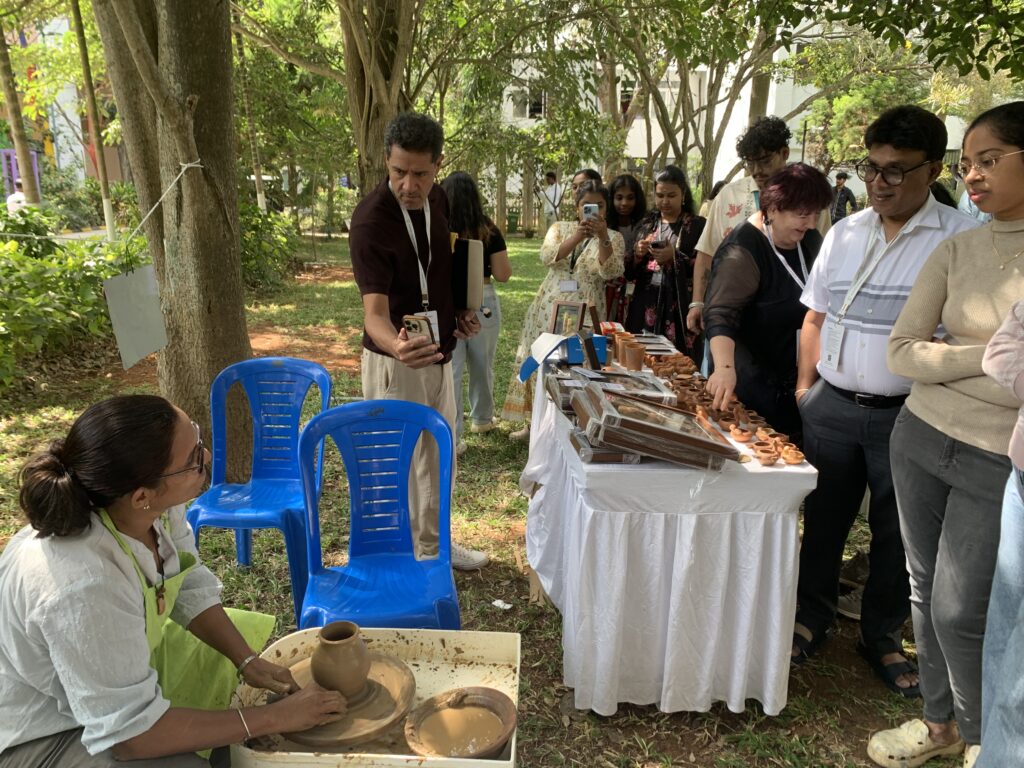
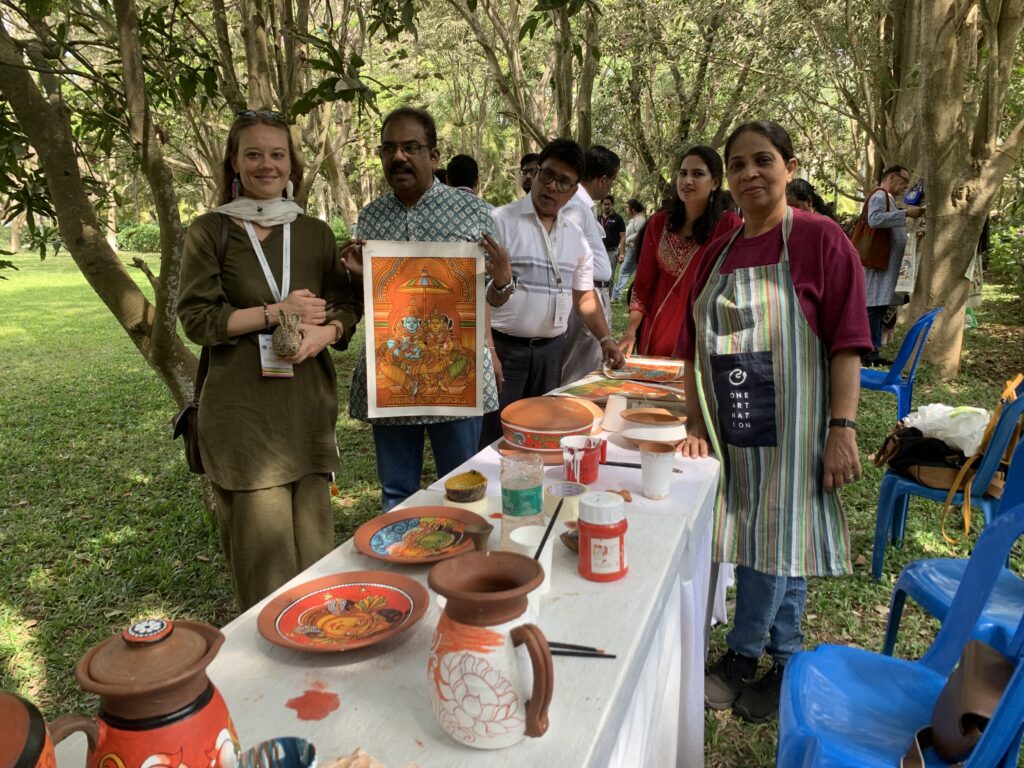
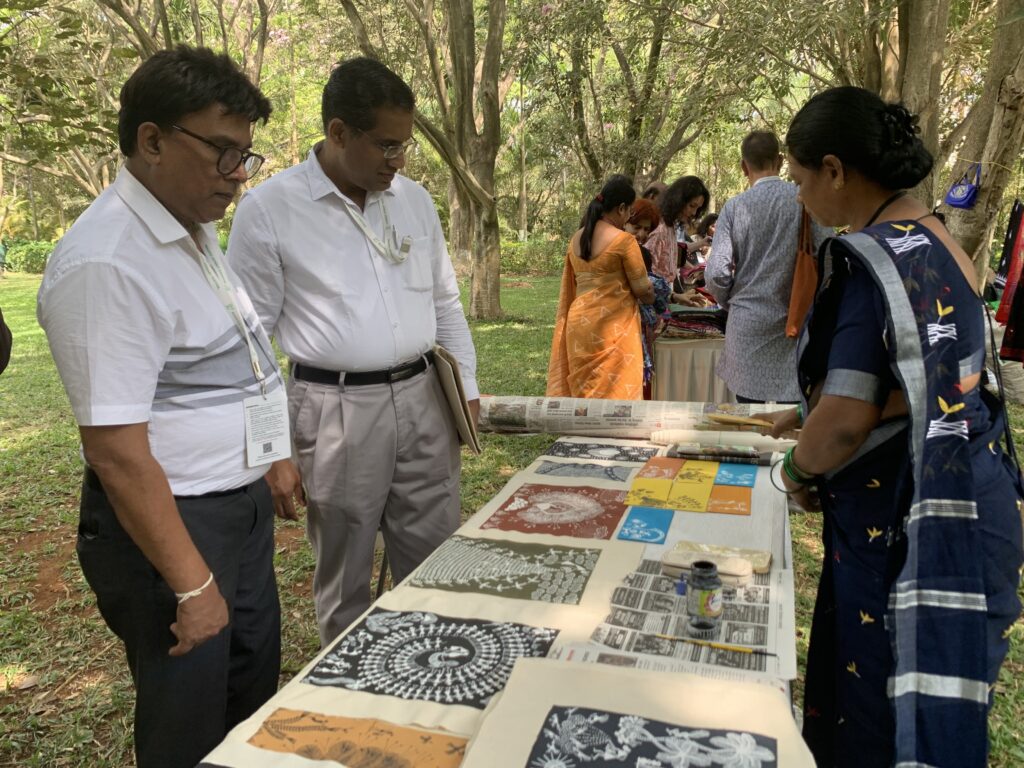
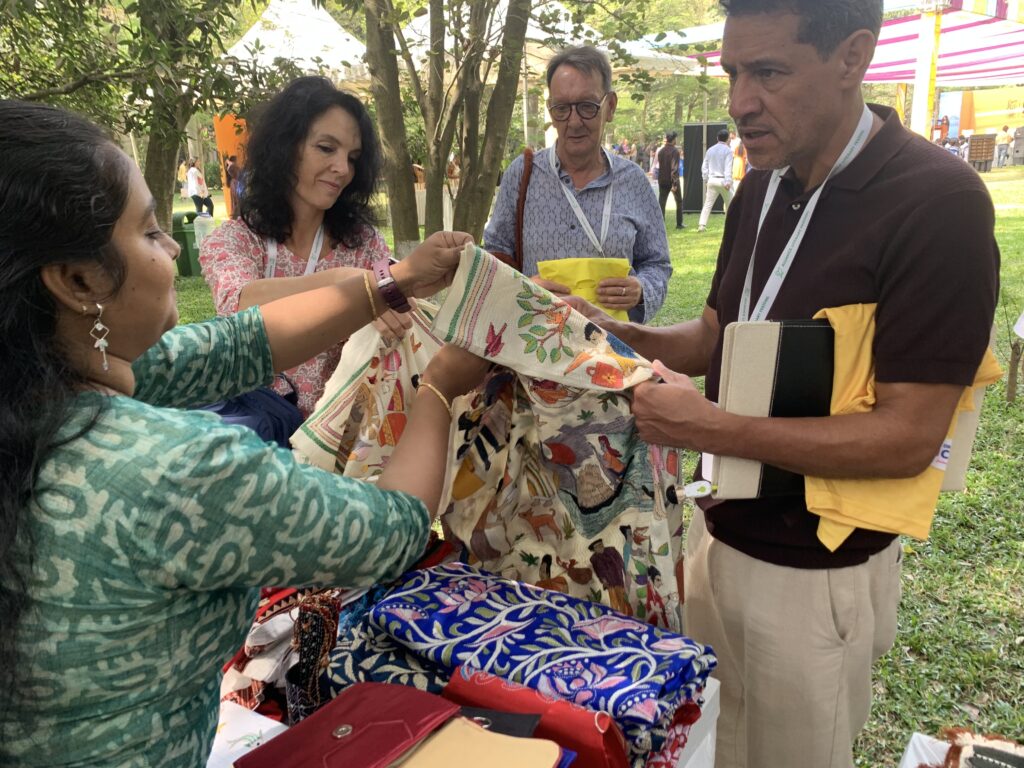
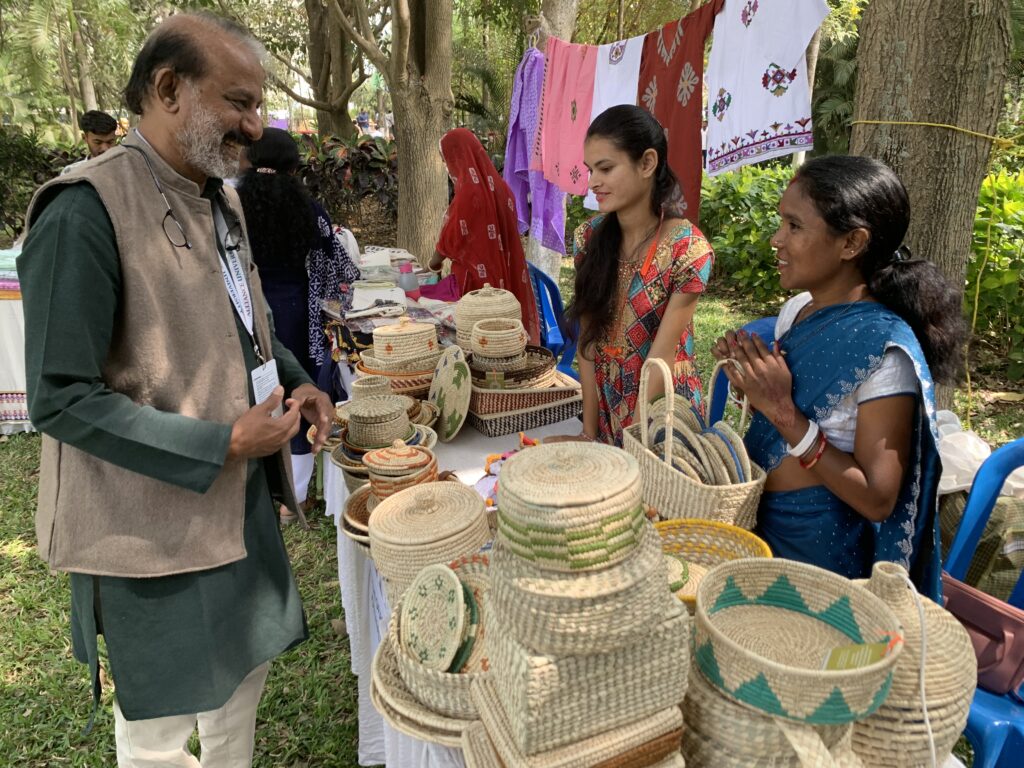
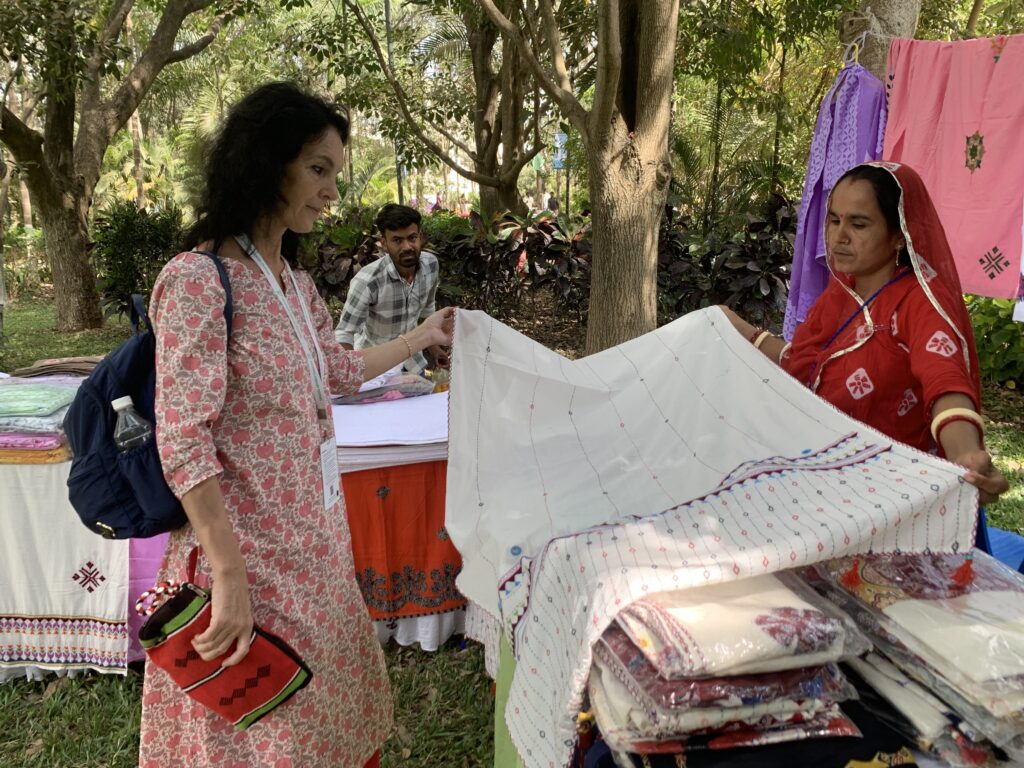
On the final day, delegates visited and interacted with traditional ICH bearers and craft masters, gaining hands-on experience in various art traditions.
International Seminar
At around 11:00 AM, the International Seminar commenced with the keynote address by Dr. Seong Yong Park, President of Culture Masters, Republic of Korea.
Paper presentations were delivered by:
Dr. Aparna T – Assistant Professor, University of Calicut
Renuka Gurung – Nepal
Tumani Virginia Mnereki – National ICH Expert, Botswana
Raj Suwal – Nepal
Ms. Lei Xi – China
Akbar Karimi – Iran
Kamila Leal Rosa – Brazil (Online)
Mr. Rajesh, General Manager, Sargalaya Craft Village & Museum, Vadakara
Mr. Esequias Ferreira – Brazil
The three-day ICCN Thematic Workshop and International Seminar concluded with the distribution of Alliance University souvenirs to all participants.
The event successfully created a vibrant platform for dialogue, knowledge exchange, and cultural interaction, highlighting the crucial role of education in safeguarding and transmitting intangible cultural heritage across generations.
