
The Role of Cities in Cultural Preservation
The Role of Cities in Cultural Preservation
11
Jun
Posted by: Folkland India
Category:
ICCN
No Comments
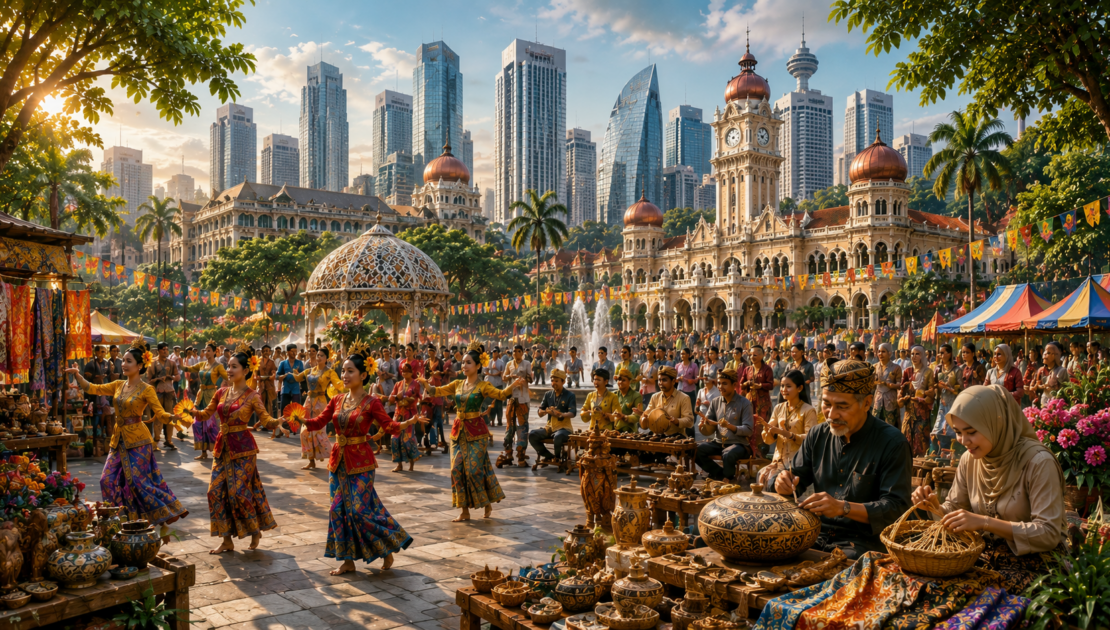
Cities are more than centers of economic growth and urban development. They are living cultural spaces where traditions, customs, languages, festivals, and artistic expressions continue to thrive. As communities become increasingly urbanized, cities play a critical role in safeguarding intangible cultural heritage and ensuring that cultural traditions remain visible and relevant in modern society.
The Inter-City Intangible Cultural Cooperation Network (ICCN) recognizes cities as key partners in protecting and promoting living heritage. Through collaboration among municipal governments, cultural organizations, and local communities, cities can create environments where cultural traditions flourish alongside contemporary development.
Cultural heritage contributes significantly to a city’s identity. Traditional festivals, performing arts, crafts, oral traditions, and community rituals help distinguish one city from another. These cultural expressions provide residents with a sense of belonging and pride while strengthening social cohesion.
Rapid urbanization, however, often creates challenges for cultural preservation. Traditional neighborhoods may be transformed by development projects, and younger generations may become disconnected from cultural practices. Globalization can also contribute to cultural homogenization, reducing the visibility of local traditions.
To address these challenges, cities can integrate cultural preservation into urban planning and development strategies. Cultural mapping, heritage inventories, and community consultations help identify valuable cultural resources that should be protected. Public spaces such as cultural centers, theatres, community halls, and traditional marketplaces can provide venues where cultural activities continue to thrive.
Municipal governments play a crucial role in supporting heritage initiatives. By developing cultural policies and allocating resources for heritage programs, cities can strengthen safeguarding efforts. Financial assistance, artist support programs, educational activities, and cultural festivals all contribute to the preservation of living heritage.
Education is another important component of urban cultural preservation. Schools and community organizations can introduce heritage-related programs that help young people learn about local traditions. Workshops, storytelling sessions, and cultural camps encourage youth participation and strengthen cultural continuity.
Cities also serve as important platforms for cultural exchange. Diverse populations bring different traditions, languages, and artistic practices into urban environments. This diversity enriches cultural life and creates opportunities for intercultural dialogue. Festivals, exhibitions, and exchange programs enable communities to share experiences and build mutual understanding.
The economic benefits of cultural preservation should not be overlooked. Traditional crafts, performances, and cultural tourism generate employment opportunities while supporting local economies. Cultural industries can contribute to sustainable development while maintaining community identity.
International cooperation further strengthens the role of cities in cultural preservation. Through networks such as ICCN, cities can exchange experiences, share best practices, and develop collaborative safeguarding initiatives. These partnerships promote cultural diversity and help cities learn innovative approaches to heritage management.
Technology also offers new opportunities for cities to promote heritage. Digital archives, virtual exhibitions, and online cultural programs expand access to cultural resources and engage wider audiences. These tools can complement community-based preservation efforts and increase awareness of local traditions.
The future of cultural preservation depends on cities recognizing culture as an essential component of sustainable development. Heritage should not be viewed as separate from modernization but as a valuable resource that contributes to social well-being, economic vitality, and community resilience.
By supporting cultural practitioners, creating spaces for cultural expression, encouraging public participation, and fostering international cooperation, cities can become effective custodians of living heritage. In doing so, they help ensure that future generations inherit vibrant cultural traditions that continue to enrich urban life.
As ICCN member cities work together to safeguard intangible cultural heritage, they demonstrate that cultural preservation and urban development can go hand in hand. Through collective action and shared commitment, cities can build inclusive, culturally rich, and sustainable communities for generations to come.
