
Preserving Living Heritage: Safeguarding Intangible Cultural Heritage for Future Generations
Preserving Living Heritage: Safeguarding Intangible Cultural Heritage for Future Generations
11
Jun
Posted by: Folkland India
Category:
ICCN
No Comments
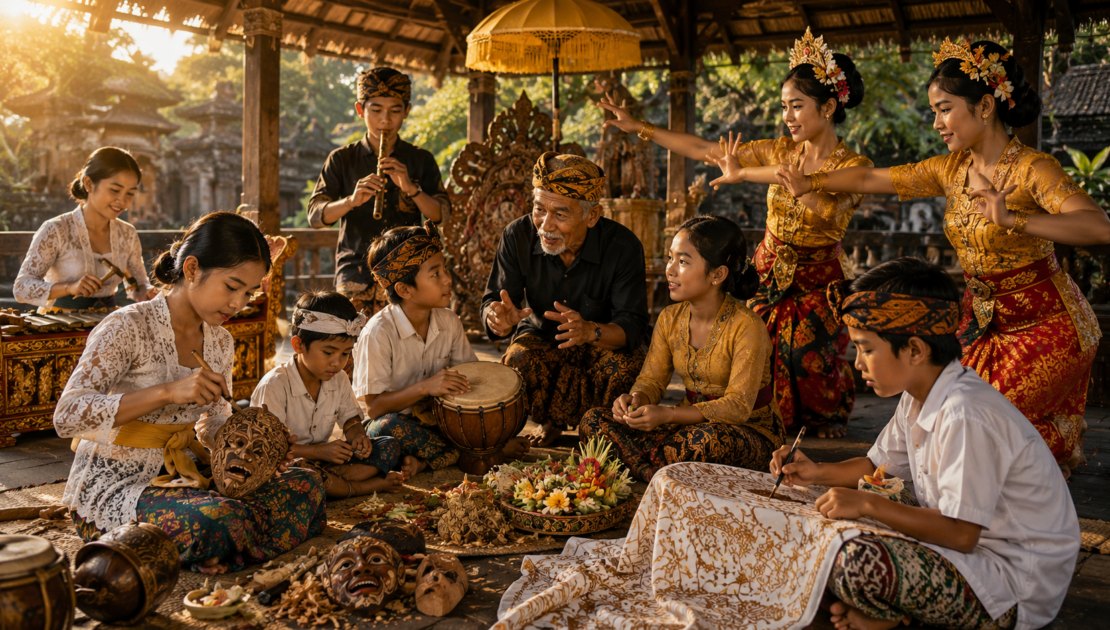
Intangible Cultural Heritage (ICH), often referred to as living heritage, includes the traditions, performing arts, rituals, festivals, oral histories, craftsmanship, and traditional knowledge that communities pass from one generation to another. Unlike monuments or artifacts, living heritage survives through people and their active participation in cultural practices. It forms an essential part of community identity, social cohesion, and cultural diversity.
The Inter-City Intangible Cultural Cooperation Network (ICCN) recognizes that living heritage is a valuable resource for sustainable development and intercultural understanding. Across the world, communities continue to preserve traditions that reflect their history, creativity, and values. However, rapid urbanization, globalization, migration, and changing lifestyles present significant challenges to the continuity of these traditions.
Living heritage plays a vital role in maintaining cultural identity. Traditional songs, dances, storytelling practices, festivals, and rituals connect people with their ancestors and strengthen their sense of belonging. These practices help communities maintain continuity while adapting to social and cultural changes. They also encourage intergenerational dialogue, enabling elders to pass on valuable knowledge and skills to younger generations.
Preserving living heritage requires active community participation. Communities themselves are the primary custodians of cultural traditions. Their involvement in safeguarding efforts ensures that preservation remains authentic and meaningful. Community-led initiatives, cultural mapping projects, and heritage documentation programs allow people to identify and protect the traditions they value most.
Documentation is another important tool for safeguarding heritage. Audio recordings, videos, photographs, oral histories, and digital archives help preserve knowledge that may otherwise be lost. While documentation cannot replace living practice, it provides valuable resources for education, research, and future generations.
Education plays a crucial role in heritage transmission. Schools, cultural organizations, and community groups can create opportunities for young people to engage with traditional arts and cultural practices. Heritage camps, workshops, storytelling sessions, and apprenticeship programs help foster appreciation and understanding among younger generations. When youth actively participate in cultural activities, they become future custodians of living heritage.
Traditional knowledge systems also contribute to sustainable development. Indigenous agricultural practices, environmental management techniques, traditional medicine, and local craftsmanship often contain valuable insights developed over centuries. Preserving such knowledge can support contemporary efforts to address environmental and social challenges.
Cultural organizations, local governments, and international networks have important roles to play in safeguarding living heritage. They can provide training, funding, research support, and platforms for cultural exchange. Festivals, exhibitions, seminars, and workshops create opportunities for cultural practitioners to share their knowledge and skills while engaging broader audiences.
Digital technology offers new possibilities for preservation and promotion. Online archives, virtual exhibitions, and digital storytelling platforms make cultural knowledge more accessible to people around the world. These tools can support education and awareness while encouraging greater participation in heritage activities.
The ICCN promotes cooperation among cities committed to safeguarding intangible cultural heritage. Through international partnerships, cultural exchanges, and knowledge-sharing initiatives, member cities learn from one another and strengthen their safeguarding efforts. Such collaboration contributes to cultural diversity, mutual understanding, and sustainable cultural development.
Living heritage is not simply a legacy of the past. It is a dynamic and evolving expression of human creativity and identity. Safeguarding it requires the combined efforts of communities, governments, cultural organizations, educational institutions, and international networks. By supporting cultural practitioners, encouraging youth participation, and promoting community-led initiatives, we can ensure that living heritage continues to thrive.
As cities and communities work together to preserve their traditions, they help build a future where cultural diversity is celebrated and respected. Through collective action and international cooperation, living heritage can remain a vibrant source of inspiration, knowledge, and connection for generations to come.
